
Afro Hair Transplant in Turkey
Afro hair transplant in Turkey is a surgical procedure specifically designed for tightly curled African hair types. The unique curved structure of the hair roots requires specialized extraction techniques. Surgeons typically use modified FUE or DHI methods to prevent damage to the follicles. Standard extraction tools often fail because afro hair roots curl beneath the scalp.
Clinics in Turkey provide medical teams familiar with these complex anatomical structures. The afro hair transplant in Turkey procedure involves extracting grafts from the donor area and implanting them into bald patches. Recovery times and post-operative care remain similar to standard hair transplantation procedures. Patients must follow specific washing routines to maintain graft survival during healing.
What is Afro Hair Transplant?
Afro hair transplant is a surgical hair restoration procedure designed for people with tightly curled African hair. The unique C-shaped curve of these hair follicles extends deep beneath the scalp. This structural difference makes the extraction process highly complex compared to straight hair types. Surgeons typically use specialized punch tools during the FUE method to avoid cutting the roots.
Damaged follicles cannot survive or grow after being implanted into the bald areas. Therefore, the medical team must perform the extraction with extreme precision and care. The implanted hairs usually start growing naturally within three to four months after surgery.
Can Afro Hair Be Transplanted?
Afro hair can be transplanted using specific surgical methods like modified FUE or FUT. The tightly curled structure of these hair follicles extends beneath the skin. This anatomical feature requires surgeons to use larger extraction tools to prevent root damage. Standard hair transplant instruments often cut or destroy these C-shaped curved follicles. Therefore, the extraction process takes more time and requires precise technical adjustments. Once the grafts are successfully removed, they are implanted into the recipient areas. Patients must undergo a medical evaluation to check for potential keloid scarring risks before surgery.
Key Characteristics of Afro Hairstyle
Afro hairstyles stand out for their natural volume, tight curls, and bold cultural identity. This iconic look celebrates textured hair in its most authentic form while making a strong style statement.
- Natural Texture and Tight Curls: The defining feature of an Afro hairstyle is its tight, coiled curl pattern. Afro hair typically ranges from 3C to 4C textures, forming dense, springy curls that grow outward rather than downward. This natural texture gives the Afro its signature rounded shape and full appearance.
- High Volume and Shape: Volume plays a major role in the Afro look. The hair expands outward, creating a balanced, circular silhouette. Many people shape their Afro into a rounded or slightly tapered style to maintain symmetry and definition. Proper trimming helps keep the shape neat while preserving fullness.
- Cultural and Historical Significance: The Afro hairstyle carries deep cultural meaning. It became a powerful symbol of pride and identity during the 1960s and 1970s, especially within the Black empowerment movement. Today, it continues to represent confidence, heritage, and self-expression.
- Low Manipulation Styling: Afro hairstyles require minimal chemical processing. Most people wear their hair in its natural state, avoiding relaxers or straightening treatments. Regular moisturizing, gentle detangling, and protective nighttime care help maintain healthy curls.
Understanding the Unique Structure of Afro Textured Hair
Afro textured hair possesses a very distinct biological structure compared to straight hair. The hair follicle curves significantly beneath the surface of the scalp. This curly root resembles a C shape which creates unique challenges during surgical extraction. Because the curl continues underneath the skin the risk of follicle damage is higher. Surgeons must be extremely precise to avoid severing the root during the harvesting phase. Interestingly Afro hair often appears much denser than it actually is due to the curls. This means a smaller number of grafts can sometimes provide substantial scalp coverage.
The scalp skin in individuals of African descent can also be thicker and more fibrous. This thicker tissue requires specialized punches to safely navigate around the curved follicles. Understanding these structural differences is vital for a successful surgical approach. A deep anatomical knowledge allows surgeons to adapt their techniques for optimal graft survival. Every patient presents a unique curl pattern that requires a highly customized surgical plan.
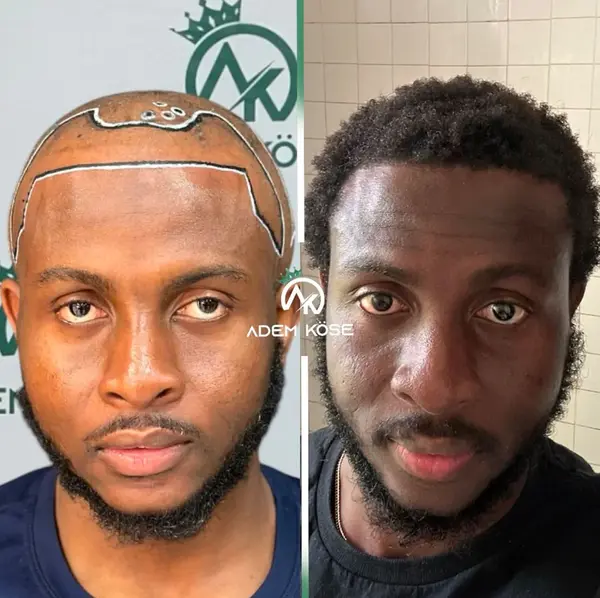
How is Afro Hair Transplant in Turkey Performed?
Afro hair transplant in Turkey is performed using specialized FUE or DHI methods adapted for curly follicles. Surgeons first apply local anesthesia to numb the patient’s scalp before starting the procedure. Medical teams use custom, larger punch tools to extract the C-shaped hair roots safely. These specific instruments prevent cutting the curved follicles beneath the skin surface during extraction.
The extracted grafts are then carefully implanted into tiny incisions made in the bald areas. Turkish clinics often utilize microscopes to examine the extracted grafts before the implantation phase. The entire surgical process typically takes between six to eight hours.
Extraction and Implantation Techniques Used for Afro Hair
The surgical techniques used for ethnic hair restoration require careful modification. Follicular Unit Extraction is widely used but it needs specific adjustments for curved roots. Surgeons often use larger or specifically angled punches to safely extract the curly grafts. Direct Hair Implantation is another popular method utilized for its precision during the placement phase. The donor area at the back of the head is first mapped and prepared under local anesthesia. Surgeons then use specialized micro punches to carefully loosen and extract the curved hair follicles.
The extracted grafts are preserved in a specialized nutrient solution to maintain their vitality. Tiny incisions are made in the recipient area following the natural angle of hair growth. The grafts are delicately placed into these incisions to create a natural looking hairline. These modified techniques aim to maximize the survival rate of the extracted hair follicles.
Key Differences Between Afro Hair Transplant and Other Types
| Feature | Afro Hair Transplant | Other Hair Transplant Types (Straight/Wavy Hair) |
|---|---|---|
| Hair Follicle Shape | Curved and C-shaped beneath the scalp | Mostly straight under the scalp |
| Extraction Difficulty | Higher risk of follicle transection due to curved roots | Lower risk, easier punch alignment |
| Surgical Technique | Requires modified FUE tools and careful angle control | Standard FUE or FUT techniques typically sufficient |
| Implantation Angle | Must follow natural curl direction for realistic density | Easier to predict growth direction |
| Density Appearance | Naturally appears fuller due to tight curls | Density depends more on graft count |
| Procedure Time | Often longer due to precision needed | Generally shorter and more predictable |
| Surgeon Experience | Requires specific experience with Afro-textured hair | Widely practiced and standardized |
Who Is A Good Candidate For An Afro Hair Transplant?
The best candidates usually have a stable pattern of hair loss, a healthy scalp, a donor area with enough usable grafts, and realistic expectations about coverage and density. Hair transplantation is based on finite donor supply. That means the conversation is not only about what can be placed in the front today, but also about what must be preserved for the future. A careful assessment of donor quality is essential in every transplant case, and especially important in Afro-textured hair where donor extraction may require greater technical restraint.
A proper consultation should also separate hair loss from hair breakage. In Afro-textured hair, these can overlap in appearance. Some patients believe they need a transplant because the frontal edge looks thin, when the real issue may be traction, inflammation, fragile shafts, or chronic styling stress. If the scalp is actively inflamed, painful, scarred, or unstable, surgery is not the first step. Diagnosis comes first. Once the underlying condition is identified and managed, the suitability of transplantation can be judged more accurately.
Age, family history, and long-term hair loss pattern also influence candidacy. A very aggressive hairline placed too early can create an attractive short-term result while compromising the donor area for later years.
Which Technique is the Best For Afro Hair Transplant?
The best technique for an Afro hair transplant is the modified FUE method. Standard extraction tools can easily cut or damage tightly curled hair roots beneath the skin. Surgeons must use larger, specialized punch tools to extract these C-shaped curved follicles safely. This specific approach prevents root transection during the extraction phase. The extracted grafts are then carefully implanted into the recipient areas one by one.
 Donor Area Management in Afro Hair Transplant
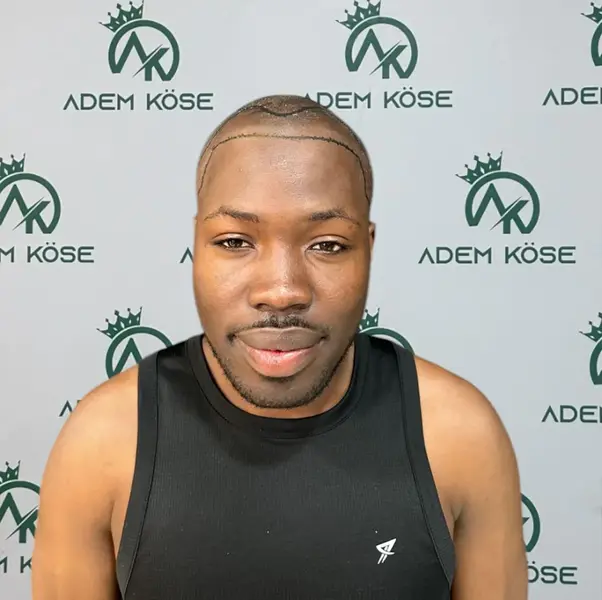 Donor Area Management in Afro Hair Transplant
Donor area management in Afro hair transplants involves strategically extracting curly follicles to prevent visible scarring. The back of the scalp usually provides the strongest hair roots for this procedure. Surgeons must leave enough space between extracted grafts to maintain natural hair density. Afro hair has a unique C-shape that requires larger punch tools during extraction. Overharvesting these curved roots can create permanent bald patches in the donor zone. Therefore, a conservative approach is essential to protect the scalp tissue from severe trauma.
Keloid Scarring Risks
The primary risk of keloid scarring after an Afro hair transplant involves the overgrowth of scar tissue. People of African descent have a genetic predisposition to develop these thick, raised scars. Surgical incisions made during extraction and implantation can trigger this abnormal healing response. Surgeons must strictly evaluate a patient’s medical history for previous keloids before proceeding. A small test procedure on the scalp may be performed to observe the skin’s reaction. If keloids form, they can cause permanent hair loss in the affected scalp areas.
Why Choose Afro Hair Transplant in Istanbul?
Afro hair transplant in Istanbul is preferred mainly because of experienced surgeons, affordable costs, and advanced medical facilities without compromising medical standards.
One of the main reasons people choose an Afro hair transplant in Istanbul is cost. Prices are generally lower than in countries like the UK, Germany, or the US. This difference is largely due to operational costs and currency exchange rates rather than reduced quality. Patients often receive treatment packages that include consultation, procedure, and basic aftercare.
Istanbul is a major international hub with direct flights from Europe, Africa, and the Middle East. Short waiting times and organized treatment plans make the process more practical for overseas patients.
What are the Benefits of an Afro Hair Transplant in Turkey?
The primary benefits of an Afro hair transplant in Turkey are experienced surgical teams and cost-effective treatment packages. Turkish clinics frequently perform hair restoration procedures on international patients with tightly curled hair. This high volume of cases provides medical staff with extensive practice using specialized extraction tools. The overall cost is generally lower than in North American or European countries. This price difference is mainly due to exchange rates and lower local operational costs. Many facilities also include hotel stays and airport transfers within their standard pricing.
Afro Hair Transplant in Turkey & Istanbul Cost 2026
In 2026, an Afro hair transplant in Turkey and Istanbul generally costs between $2,000 and $5,000. The final price depends on the clinic’s tier, the chosen surgical technique, and the required graft count. Standard all-inclusive packages usually start around $2,500. These packages typically cover the surgery, hotel accommodation, and local airport transfers. Advanced procedures utilizing the DHI method or requiring complex extraction tools can exceed $4,500.

